
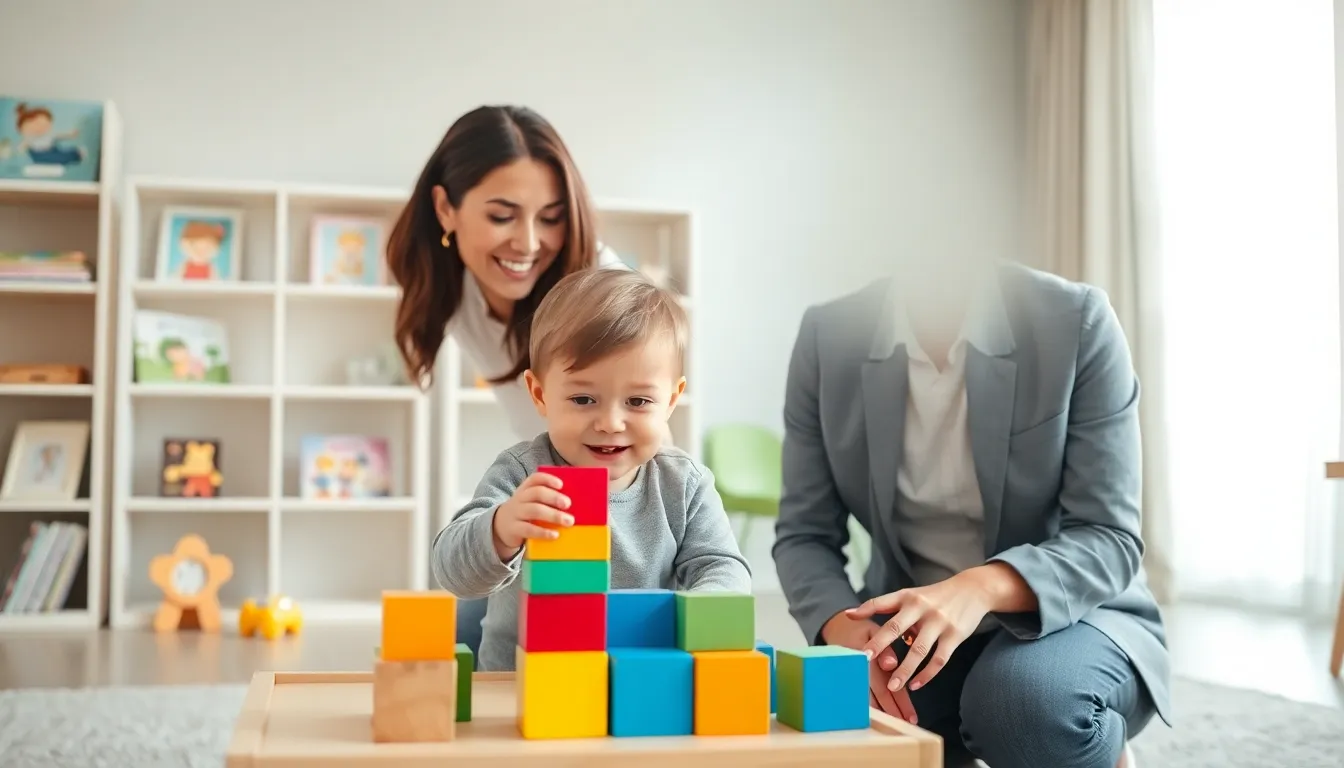
Toddlers examples help parents and caregivers understand what typical development looks like in everyday life. Children between ages one and three grow at a remarkable pace. They learn to walk, talk, express emotions, and solve simple problems. Each child develops at their own speed, but certain milestones tend to appear within predictable windows.
This article breaks down toddler development into clear categories. It provides concrete examples across physical, language, social-emotional, and cognitive areas. These real-life scenarios give caregivers a practical reference point. They also help identify when a child might need extra support.
Table of Contents
ToggleKey Takeaways
- Toddlers examples span four key developmental areas: physical, language, social-emotional, and cognitive growth between ages 1-3.
- Physical milestones progress from first steps at 12-15 months to running, jumping, and catching balls by age 3.
- Language development explodes during the toddler years, growing from just a few words at 12 months to over 1,000 words by age 3.
- Tantrums and emotional outbursts are normal toddler behaviors since children feel big emotions but lack regulation skills.
- Pretend play, like feeding a doll or using a block as a phone, signals important cognitive growth and symbolic thinking.
- Every child develops at their own pace, but these toddlers examples help caregivers identify typical milestones and spot when extra support may be needed.
What Defines the Toddler Stage
The toddler stage spans roughly 12 to 36 months of age. During this period, children transition from infancy to early childhood. They gain independence and develop a sense of self.
Several key characteristics define this stage:
- Increased mobility: Toddlers move from crawling to walking and eventually running.
- Language explosion: Vocabulary grows from a few words to hundreds.
- Emotional intensity: Big feelings emerge, often expressed through tantrums.
- Curiosity: Everything becomes interesting and worth exploring.
Toddlers examples of typical behavior include saying “no” frequently, wanting to do things independently, and testing boundaries. A 2-year-old might insist on putting on their own shoes, even if it takes ten minutes. This drive for autonomy is healthy and expected.
The toddler years also bring rapid brain development. Neural connections form at an astonishing rate. By age three, a child’s brain reaches about 80% of its adult size. This growth supports learning across all developmental domains.
Examples of Toddler Physical Development
Physical development in toddlers follows a general sequence, though timing varies. Here are toddlers examples of motor skill milestones:
Gross Motor Skills
Gross motor skills involve large muscle movements. Common examples include:
- 12-15 months: A toddler pulls up on furniture and takes first steps while holding an adult’s hand.
- 18 months: A child walks independently, squats to pick up toys, and climbs onto low furniture.
- 24 months: A toddler runs with better coordination, kicks a ball forward, and walks up stairs with support.
- 30-36 months: A child jumps with both feet, pedals a tricycle, and catches a large ball with both arms.
Fine Motor Skills
Fine motor skills require small muscle control. Toddlers examples in this area include:
- 12-15 months: A toddler picks up small objects using thumb and forefinger (pincer grasp).
- 18 months: A child stacks two to three blocks and scribbles with a crayon.
- 24 months: A toddler turns pages in a book one at a time and builds towers of four to six blocks.
- 30-36 months: A child strings large beads, uses scissors with help, and draws simple shapes.
Physical play supports these skills. Activities like climbing playground equipment, playing with playdough, and drawing strengthen both gross and fine motor abilities.
Examples of Toddler Language and Communication
Language development during the toddler years shows dramatic progress. Children move from babbling to forming sentences.
Vocabulary Growth
Toddlers examples of vocabulary development:
- 12 months: A toddler says one to three words like “mama,” “dada,” or “ball.”
- 18 months: Vocabulary expands to 10-50 words. A child points and names familiar objects.
- 24 months: A toddler uses 200-300 words and combines two words (“more milk,” “daddy go”).
- 36 months: Vocabulary reaches 1,000 words or more. Three- to four-word sentences become common.
Communication Behaviors
Beyond words, toddlers communicate through:
- Gestures: Pointing, waving, nodding, and shaking head
- Facial expressions: Showing happiness, frustration, or confusion
- Tone changes: Using different pitches to express questions or demands
Toddlers examples of early conversations might look like this: A 2-year-old sees a dog and says, “Doggy. Big doggy.” The caregiver responds, “Yes, that’s a big brown dog.” The child then asks, “Doggy name?” This back-and-forth builds language skills.
Reading books together accelerates vocabulary growth. Studies show that children who hear more words develop larger vocabularies. Simple actions like narrating daily activities (“Now we’re putting on your socks”) boost language development.
Examples of Toddler Social and Emotional Behavior
Social and emotional development shapes how toddlers interact with others and manage feelings. This area often challenges parents the most.
Emotional Expression
Toddlers examples of emotional behavior include:
- Tantrums: A 2-year-old throws themselves on the floor when told they can’t have a cookie. This is normal, toddlers feel big emotions but lack skills to regulate them.
- Separation anxiety: A toddler cries when a parent leaves for work. This peaks around 18 months and gradually decreases.
- Fear responses: A child shows fear of loud noises, unfamiliar people, or the dark.
- Joy and affection: A toddler hugs a caregiver, laughs during play, or shows excitement about favorite activities.
Social Interactions
Toddlers examples of social development:
- 12-18 months: A toddler plays alongside other children (parallel play) but doesn’t interact directly.
- 24 months: A child shows interest in other kids, might offer a toy, and imitates peers.
- 30-36 months: Cooperative play emerges. Toddlers start sharing, taking turns, and engaging in pretend play with others.
Empathy also begins developing. A 2-year-old might pat a crying friend or bring a blanket to a sad sibling. These early signs of empathy grow with guidance and modeling from adults.
Examples of Toddler Cognitive Growth
Cognitive development refers to how toddlers think, learn, and solve problems. Their brains work constantly to make sense of the world.
Problem-Solving Skills
Toddlers examples of cognitive abilities:
- 12-15 months: A toddler drops objects to watch them fall, learning about cause and effect.
- 18 months: A child figures out how to open a cabinet or reach a toy on a shelf.
- 24 months: A toddler completes simple puzzles (two to four pieces) and sorts objects by shape or color.
- 30-36 months: A child follows two-step instructions (“Pick up your cup and bring it to me”) and understands concepts like “big” and “little.”
Memory and Understanding
Toddlers examples of memory development:
- A 2-year-old remembers where toys are stored and goes directly to the right spot.
- A toddler recognizes familiar places like grandma’s house or the park.
- A 3-year-old recalls events from earlier in the day and talks about them.
Pretend Play
Pretend play signals major cognitive growth. Toddlers examples include:
- Feeding a doll with a toy spoon
- Pretending a block is a phone
- Acting out scenes from daily life (cooking, cleaning, going to the store)
This type of play shows symbolic thinking, the ability to let one thing represent another. It’s a foundation for later abstract thinking and creativity.


