
Reading and literacy development trends in 2026 are shifting faster than most educators predicted. New technologies, updated research, and changing student needs are reshaping how children learn to read. Parents, teachers, and policymakers now face important decisions about which approaches will best serve young learners.
This year brings significant changes to literacy instruction. AI tools are entering classrooms at scale. Early childhood programs are rethinking their methods. And the debate over screen time continues to evolve. Understanding these reading and literacy development trends helps stakeholders make informed choices about education strategies moving forward.
Table of Contents
ToggleKey Takeaways
- AI-powered personalized learning is reshaping reading and literacy development trends in 2026 by adapting instruction to individual student needs in real time.
- Play-based learning and oral language development are gaining priority in early childhood programs over traditional academic drilling.
- Balancing digital and print reading requires intentional use—active engagement and shared digital reading produce better literacy outcomes than passive screen consumption.
- The science of reading movement has expanded to over 40 states, mandating evidence-based phonics instruction in public schools.
- Early identification through universal screening helps struggling readers receive targeted intervention before falling behind.
- Successful literacy development in 2026 combines technology, research-backed methods, and skilled educators who maintain meaningful human connections with students.
The Rise of AI-Powered Personalized Learning
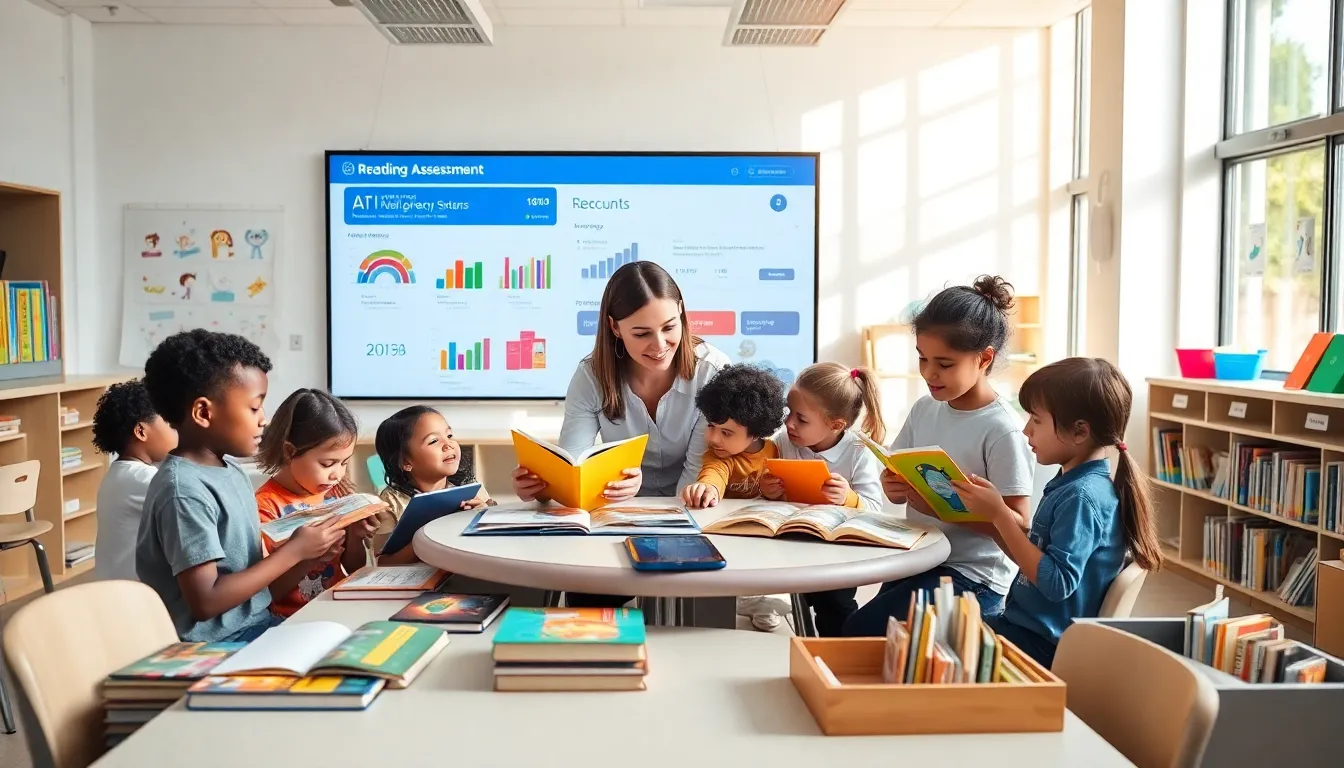
Artificial intelligence is transforming reading instruction in 2026. AI-powered platforms now assess each student’s reading level, identify skill gaps, and deliver custom lesson plans. This personalized approach marks a major shift in literacy development trends.
Schools report that AI reading tools can adapt in real time. When a student struggles with phonemic awareness, the system provides additional practice. When another student excels at decoding, the program advances them to comprehension exercises. This flexibility wasn’t possible with traditional one-size-fits-all curricula.
Several key developments stand out:
- Adaptive reading assessments that track progress weekly instead of quarterly
- Voice recognition software that listens to students read aloud and provides instant feedback
- Data dashboards that help teachers spot struggling readers earlier
Critics raise valid concerns about over-reliance on technology. They argue that human connection remains essential to reading and literacy development. Teachers still need to build relationships with students, model a love of reading, and provide emotional support.
The best implementations use AI as a supplement, not a replacement. Teachers spend less time on administrative tasks and more time working directly with students who need extra help. Early data suggests this hybrid model improves reading outcomes while maintaining the human element that makes learning meaningful.
Shifts in Early Childhood Literacy Approaches
Early childhood literacy programs are undergoing major revisions in 2026. Research continues to show that the first five years of life are critical for language development. This has prompted schools and childcare centers to update their methods.
Play-based learning is gaining ground as a primary literacy strategy. Studies demonstrate that children who engage in dramatic play, storytelling, and vocabulary-rich conversations develop stronger reading foundations. These findings challenge the push toward academic instruction in preschool settings.
Key reading and literacy development trends in early childhood include:
- Increased focus on oral language skills before formal reading instruction begins
- Family engagement programs that teach parents effective read-aloud techniques
- Multilingual approaches that support children learning in more than one language
Head Start and similar programs now emphasize print awareness through everyday activities rather than worksheets. Children learn letters by exploring environmental print, signs, labels, and books in their surroundings. This approach feels natural and builds genuine curiosity about written language.
Teacher training programs are also changing. Early childhood educators receive more instruction in language development science. They learn to recognize when children need speech therapy referrals or additional support. This proactive stance helps catch potential reading difficulties before they become entrenched.
The shift reflects a broader understanding: strong readers aren’t made through drilling. They develop through rich language experiences and positive associations with books.
Digital Literacy and Screen Time Balance
Finding the right balance between digital and print reading remains a central challenge in 2026. Children encounter screens constantly, tablets at school, phones at home, and digital content everywhere. This reality shapes current literacy development trends in significant ways.
Research presents a mixed picture. Some studies show that interactive e-books improve engagement and vocabulary acquisition. Others indicate that deep comprehension suffers when children read primarily on screens. The format matters less than the quality of content and the presence of adult interaction.
Educators now distinguish between passive and active screen use:
- Passive consumption (watching videos without interaction) shows limited literacy benefits
- Active engagement (responding to prompts, creating content) supports reading and literacy development
- Shared digital reading (adult and child together) produces outcomes similar to traditional read-alouds
Schools are implementing digital citizenship curricula alongside reading instruction. Students learn to evaluate online sources, recognize misinformation, and use digital tools responsibly. These skills complement traditional literacy and prepare children for modern communication.
Parents receive guidance on creating balanced media environments. The American Academy of Pediatrics continues to recommend limits on recreational screen time while acknowledging that quality educational content has a place. The key lies in intentional use rather than blanket restrictions.
Print books aren’t disappearing. Many families and classrooms maintain physical libraries because research supports the value of tactile reading experiences. The goal isn’t choosing between digital and print, it’s using each format strategically.
The Science of Reading Movement Gains Momentum
The science of reading movement continues its expansion in 2026. More states now mandate evidence-based reading instruction in public schools. This represents one of the most consequential reading and literacy development trends of the decade.
At its core, the science of reading emphasizes systematic phonics instruction. Students learn the relationships between letters and sounds explicitly and sequentially. This approach contrasts with whole language methods that rely heavily on context clues and memorization.
Recent policy changes include:
- Over 40 states have passed legislation requiring science of reading practices
- Teacher certification exams now test knowledge of reading science
- Curriculum adoptions favor programs aligned with research findings
The movement gained momentum after studies showed that many American students couldn’t read proficiently. National assessment data revealed persistent gaps, especially among disadvantaged populations. Advocates argued that better instruction could close these gaps.
Implementation challenges remain. Many experienced teachers were trained in methods now considered less effective. Professional development programs help these educators update their practice, but change takes time. Some teachers resist what they see as top-down mandates.
Support for struggling readers has improved under this framework. Schools identify at-risk students earlier through universal screening. Intervention programs target specific skill deficits. Students who might have fallen through the cracks now receive help before they fall too far behind.
The science of reading isn’t a magic solution. It provides a foundation, but teachers must still adapt instruction to meet individual needs. Successful reading and literacy development requires both good methods and skilled educators who can apply them thoughtfully.


